
Winning construction work is not about being the lowest number every time. It is about bidding the right jobs, pricing them completely and presenting a bid the owner trusts. This guide walks through a simple process you can follow on every project.
Step 1: Decide if the Job Is Worth Bidding
Every bid costs time. Before you start, ask a few questions. Is this the type of work you do well? Do you have the crew and cash flow for it? Do you know the owner or general contractor? How many others are bidding? Saying no to the wrong jobs gives you more time for the right ones.
Step 2: Get the Complete Bid Documents
Download the full drawing set, specifications, addenda and bid forms. Note the bid due date, the pre bid meeting and the deadline for questions. Missing one addendum can change your scope.
Step 3: Visit the Site
A site visit shows access, existing conditions, staging space and anything the drawings do not show. Take photos and notes. Many change orders come from conditions a contractor could have seen before bid day.
Step 4: Do an Accurate Takeoff
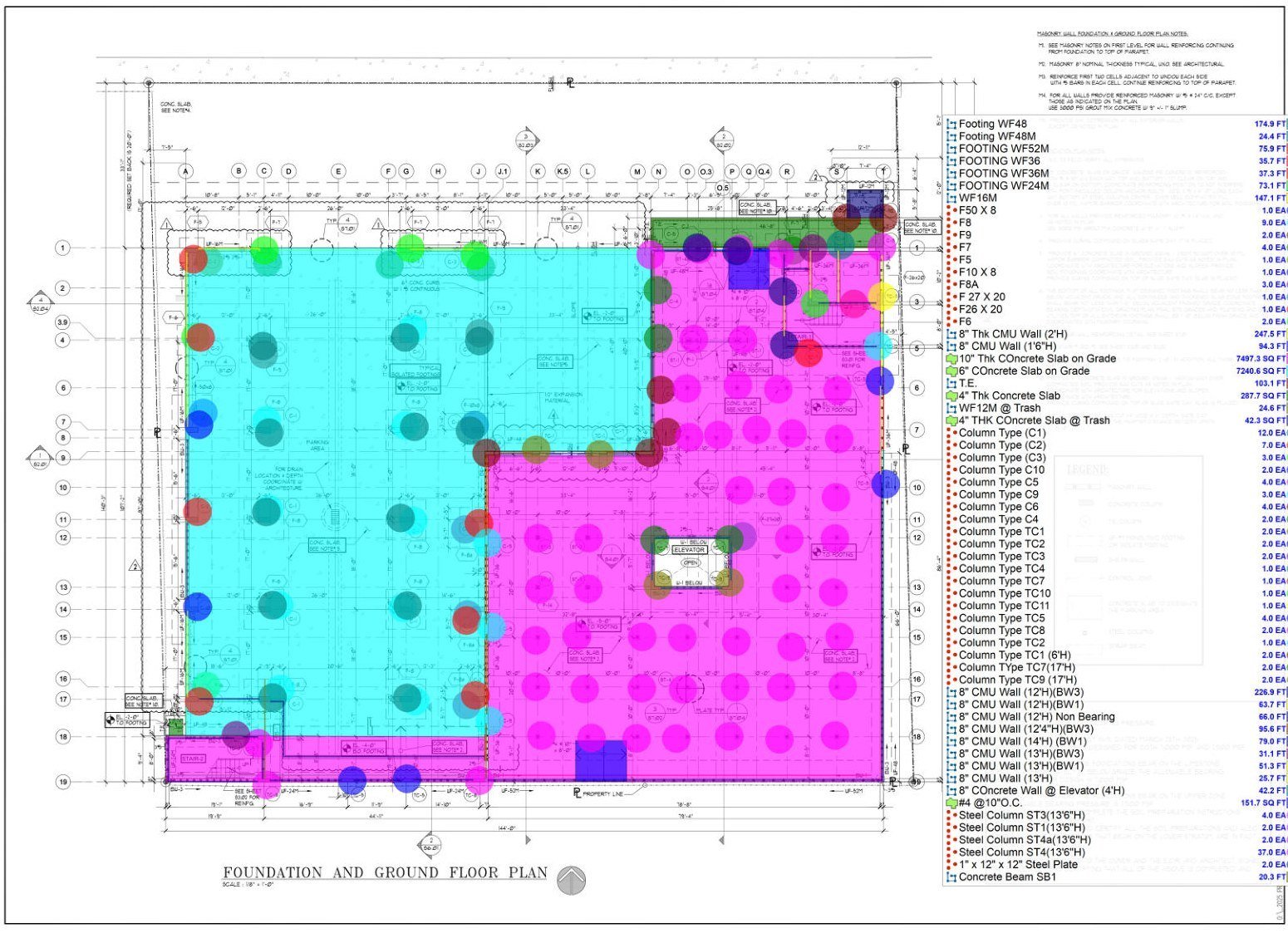
Measure and count every item on the plans. Read our guide on what a quantity takeoff includes and how to avoid common mistakes. If time is short, an outside takeoff service can deliver quantities in a day or two.
Step 5: Price Material, Labor and Equipment
Get current material prices from suppliers. Use labor rates and production rates from your own past jobs when you have them. Add equipment, such as lifts, pumps and excavators. Request quotes from subcontractors for trades you do not self perform.
Step 6: Add Overhead, Profit and Risk
Add general conditions such as supervision, temporary facilities and cleanup. Then add overhead, profit, bond and insurance. Include a contingency that matches the risk on the job. Do not cut profit to zero just to win; a job that loses money is worse than no job.
Step 7: Check the Estimate
- Walk through every CSI division to catch missing scope.
- Compare your total cost per square foot with similar past jobs.
- Level subcontractor quotes so you compare the same scope.
- Have someone else review the largest numbers.
Step 8: Write and Send the Bid
Present your price with a clear scope, exclusions, alternates and terms. Our construction bid template guide shows what to include. Submit on time, in the format requested, and confirm it was received.
Step 9: Follow Up
After bid day, follow up politely. If you lose, ask how far off you were and why. That feedback makes your next bid sharper.
Frequently Asked Questions
How much profit should I add to a bid?
It depends on your trade, market and risk. Many contractors set overhead and profit as separate percentages and adjust them for each job.
How can I bid more jobs without hiring?
Outsource takeoffs or full estimates for busy weeks, and keep your own time for pricing decisions, client meetings and running jobs.
What is the most common bidding mistake?
Missing scope. A careful takeoff and a division by division review catch most of it.
Bid more jobs with less late night work
Send your plans and we deliver takeoffs or full estimates in editable Excel, usually within 24 to 48 hours. First project 50% off.
Get a Quote